American Airlines uses a hub-and-spoke network centered on nine hubs,
enabling it to efficiently serve more origin and destination pairs than
competitors.
American’s nine hubs are: Charlotte (CLT), Chicago (ORD), Dallas-Fort Worth
(DFW), Los Angeles (LAX), Miami (MIA), New York (JFK and LGA), Philadelphia
(PHL), Phoenix (PHX) and Washington, D.C. (DCA).
Together, these hubs offer customers unparalleled global connectivity to
more than 350 destinations in more than 60 countries. Over the past 100 years,
American’s hubs have grown to help connect passengers to the world.
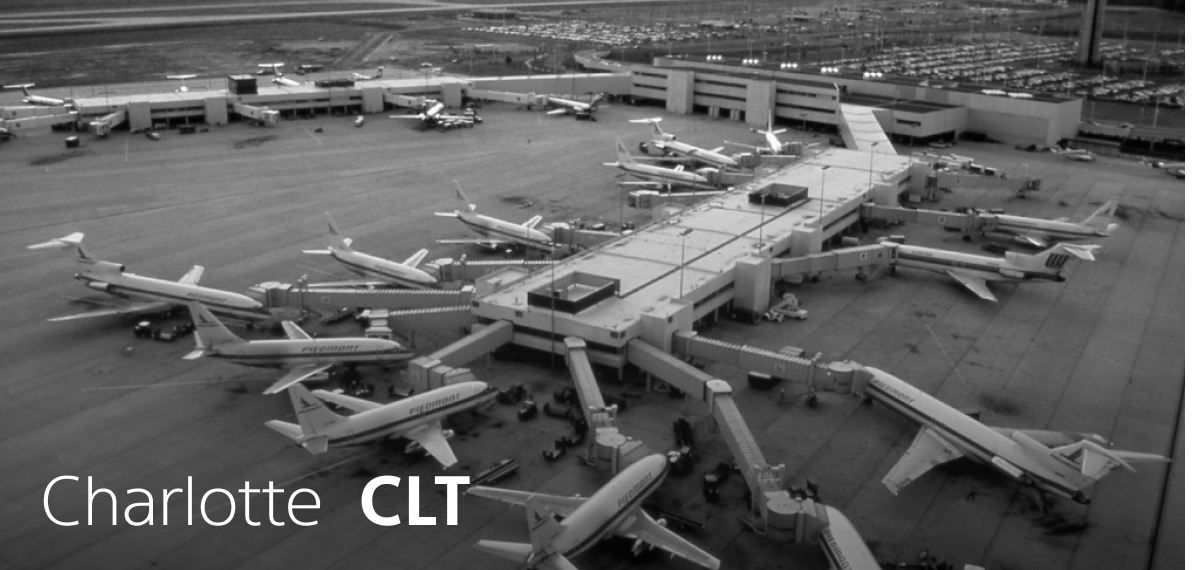
American’s CLT hub is the airline’s
gateway to the southeast and a conveniently located connecting point for
traffic throughout the eastern U.S. Currently, the airline serves more than 170
destinations from CLT. American Airlines legacy carrier Piedmont Airlines
served Charlotte since its founding in 1948. By 1982, Piedmont opened its first
hub at the airport, setting the stage for future growth, which included the
region’s first trans-Atlantic service — to London — in 1987. Piedmont grew with
the airport and the Charlotte region, and this growth continued as Piedmont
became part of USAir (later rebranded as US Airways) in 1989. Following the
merger of American and US Airways, the Charlotte hub has continued to play a
critical role as the combined airline’s second-largest hub.

Chicago has been part of American’s network
since the beginning, a century ago, when the first flight of forerunner
Robertson Aircraft departed for St. Louis on April 15, 1926. A decade later,
American was the first airline to fly the Douglas DC-3 between New York and
Chicago. When O’Hare International Airport opened in 1955, American was among
the first carriers to serve the airport, and legacy carrier TWA offered the
airport’s first international service — to Paris. By the 1980s, following
airline deregulation, American began offering broader connectivity and more
service from ORD to more cities throughout the U.S. and eventually globally,
with nonstop service to London’s Heathrow Airport (LHR) which began in 1990 and
continues to this day. The ORD hub began as, and remains, a cornerstone of
American’s network, connecting more than 150 destinations globally with more
than 500 daily departures.
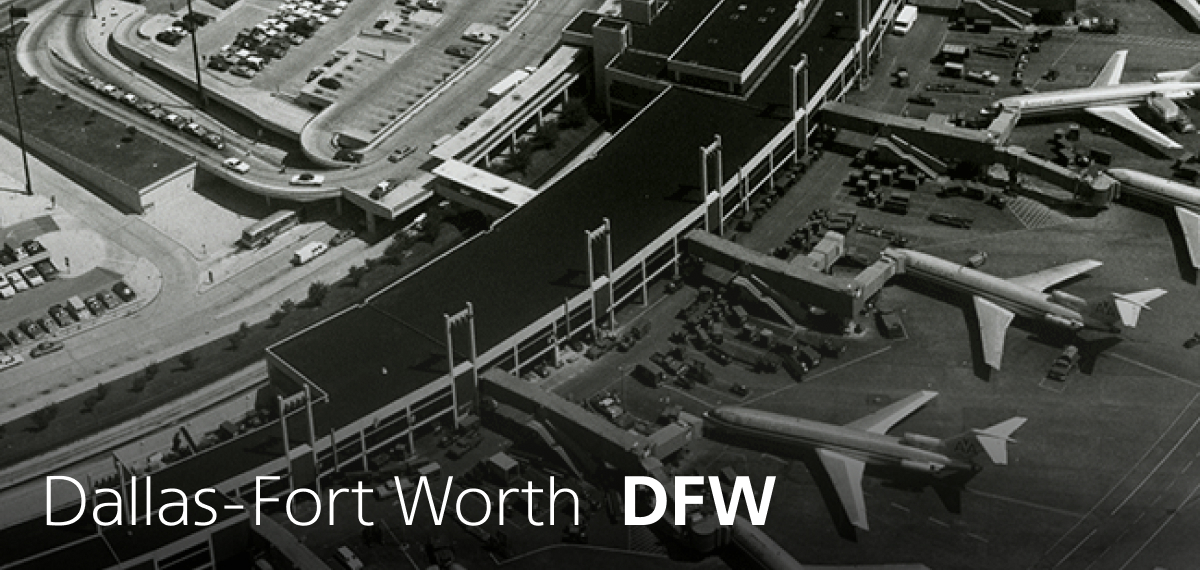
The Dallas-Fort Worth area has
been a major part of American’s story. One of American’s earliest forerunner
carriers, Southern Air Transport, was founded in Dallas nearly a century ago in
1929. In addition to providing American with deep roots in Texas, Southern also
brought to American the man who would go on to guide the company for the first
three decades of its existence: former CEO C.R. Smith. It is fitting that when DFW opened in 1974, American made the first
landing at the new airport, and five years later relocated its headquarters to
the area. American’s hub at DFW, first opened in 1981, has gone on to become
the world’s second largest, with nonstop access to over 230 destinations (more
than any other U.S. city) across more than 900 peak daily departures. American
operates from all five terminals at DFW with plans to continue growing as part
of additional investments in Terminals A and C, and a new Terminal F, planned
to open in 2027.
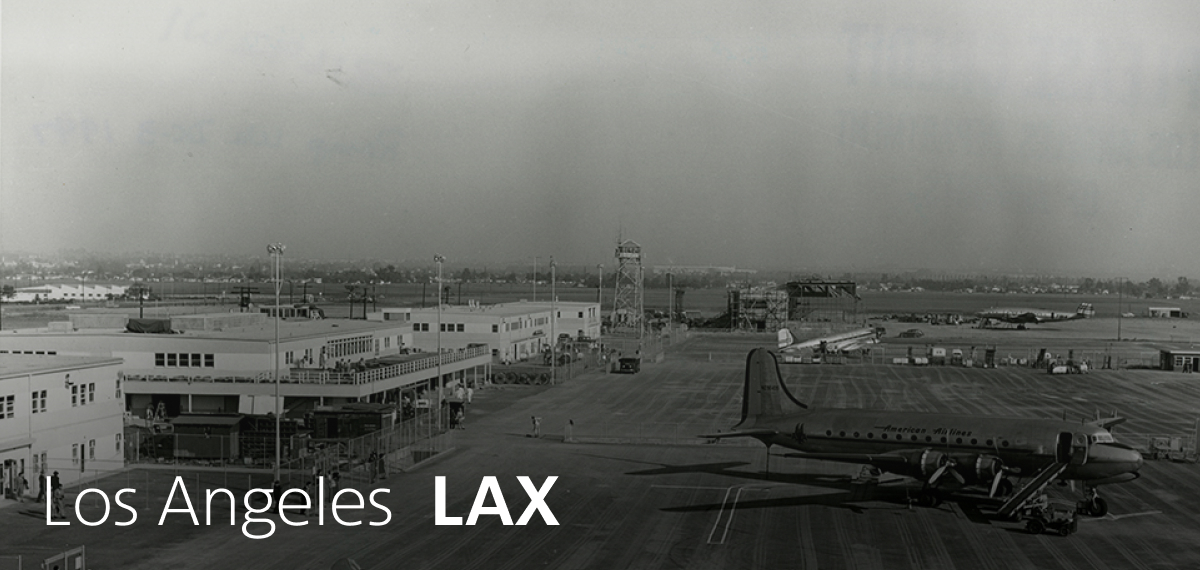
In 1946, American became part of Los Angeles
history when it was one of the first airlines to begin operations at LAX. After that, American pioneered nonstop transcontinental
service with the Douglas DC-7 between New York and Los Angeles in 1953. In
1959, American launched the first transcontinental jet service with the Boeing
707 to Los Angeles from New York. Over more than 75 years of service at LAX,
American has been a part of the entertainment industry’s travel needs and even
appeared in numerous film and television productions. The airline continues to
upgrade infrastructure to enhance passenger comfort at the airport, with a
multiyear plan to modernize its home in Terminals 4 and 5.
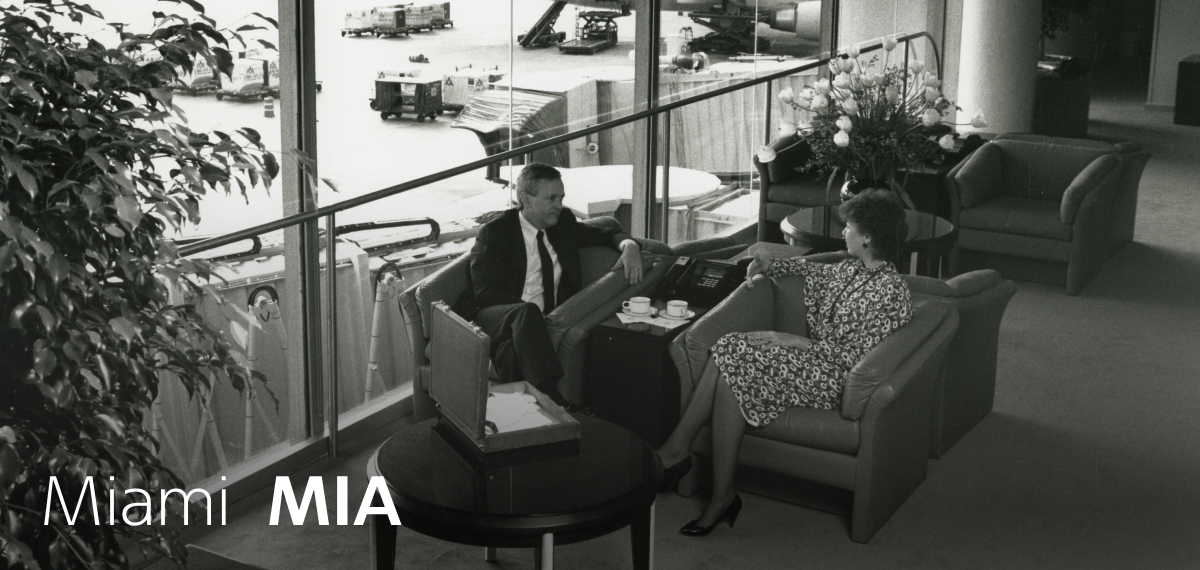
MIA is American’s gateway to Latin America and the
Caribbean with service to more than 75 international
destinations — the most of any of American’s hubs. Although American entered
the South Florida market later than some competitors, its arrival in
1979 — spurred by airline deregulation — marked the beginning of a dynamic and
successful chapter for the airline in the region. This was exemplified by the
1990 purchase of former Eastern Airlines route authorities to Latin America,
which brought about new service to dozens of cities in the Caribbean and South
and Central America. Within a decade, work had begun on what became Terminal D
— American’s consolidated, mile-long terminal offering fast, easy connections
and premium customer amenities. American continues to add new destinations from
MIA, turning it into the airline’s largest international gateway.
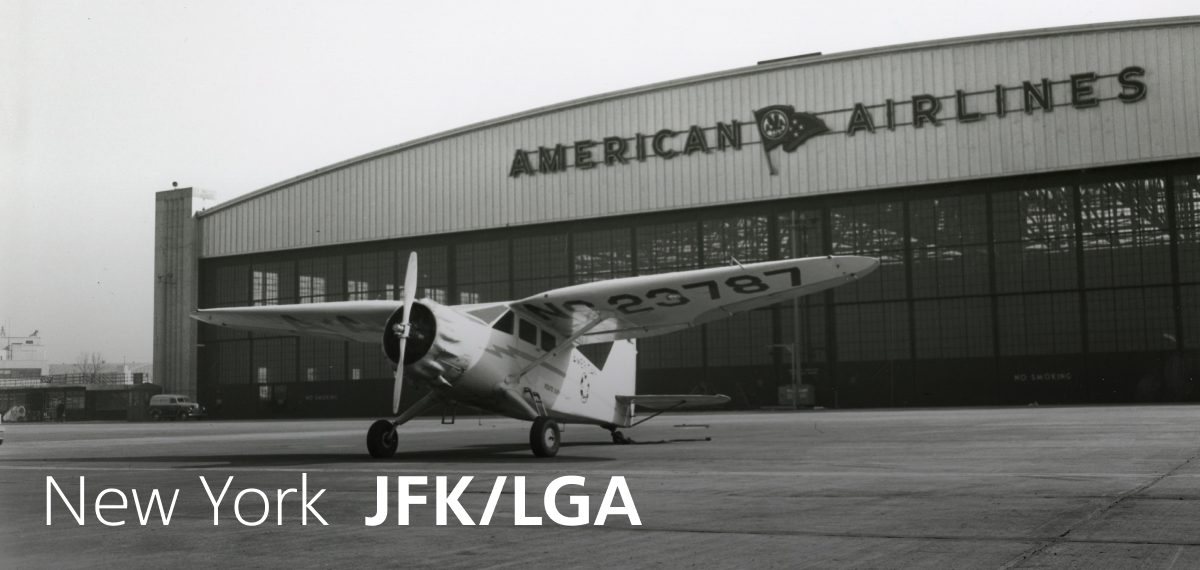
New York has played a central role in American’s history, with a succession of industry and world ‘firsts.’
Predecessor airlines such as Colonial Air Transport had served New York since
the 1920s, and American pioneered the “Southern Route,” spanning the east and
west coasts from New York, by the 1930s. In 1936, American became the first
airline to fly the groundbreaking Douglas DC-3 between New York and Chicago.
American was also the first airline to agree to serve the city’s new LaGuardia
Airport when it opened in 1939, and at the same time ushered in a new era of
airport comfort and luxury by opening the world’s first VIP lounge at
LaGuardia: the Admirals Club® lounge.
Two decades later, American inaugurated the country’s first transcontinental
jet service from John F. Kennedy International Airport (then still known as ‘Idlewild’) to Los Angeles.
American remains one of the largest carriers in the region, offering over 240
daily departures to more than 95 destinations, with many more served by
partners. In 2021, American’s stunning new Terminal B at LGA officially opened,
followed a year later by industry-leading premium lounges at JFK in partnership
with British Airways.
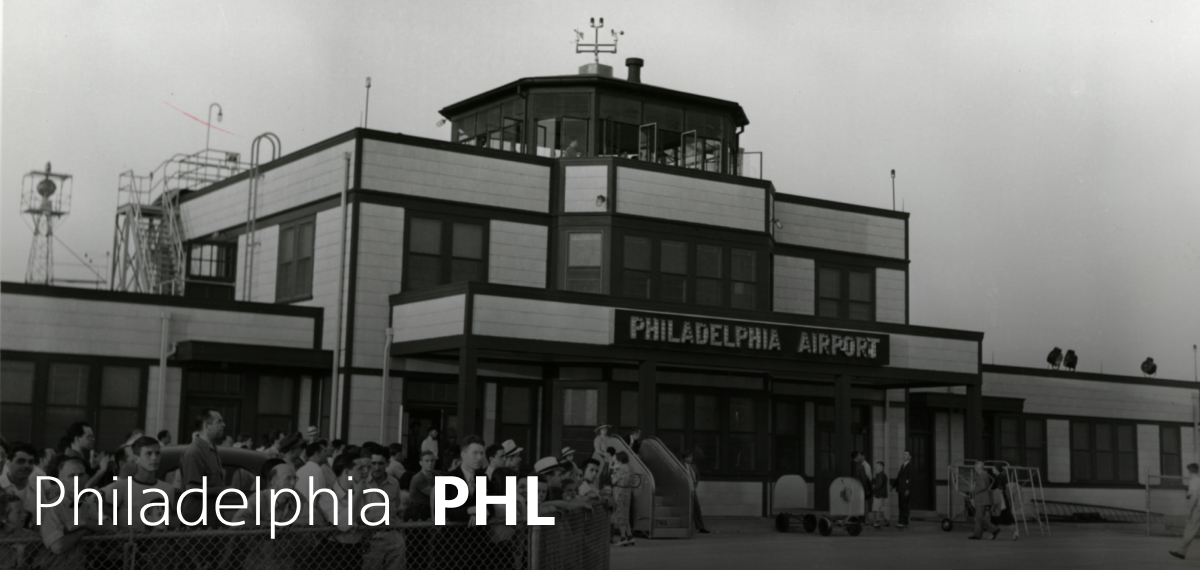
American legacy carrier Allegheny
Airlines was a fixture of commercial aviation in Pennsylvania beginning in
1939, and through mergers and market evolution, American’s Philadelphia hub
originated in 1985 with legacy carrier USAir (later US Airways). Within 10
years, USAir expanded its presence from PHL to include trans-Atlantic flights
to Frankfurt, Germany; London; and Paris, eventually necessitating the need for
a new, enlarged international terminal which opened in 2003. Since the merger
between American and US Airways, PHL has served as the airline’s primary
trans-Atlantic gateway with flights to 19 destinations in Europe. As part of
the carrier’s continued investment in PHL, American opened a new
Flagship® lounge and refreshed Admirals Club® lounge in
Terminal A in 2025.
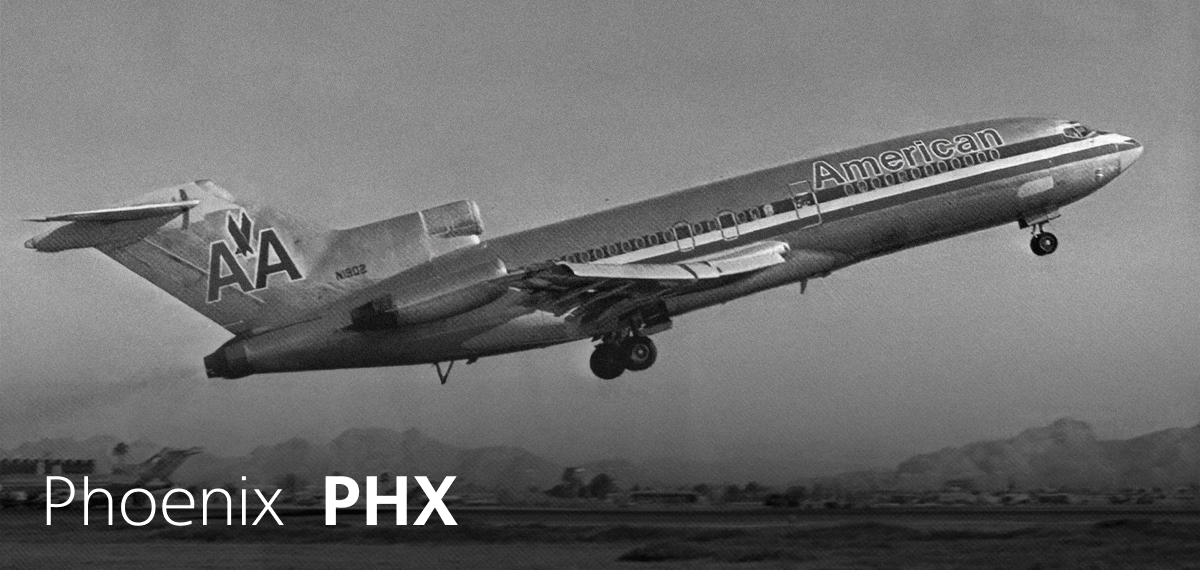
American first began scheduled service to
Phoenix in 1930, and in 1963 brought the first scheduled jet service to the
region with the arrival of the Boeing 707. Deregulation ushered in the
formation of innovative new airlines including America West, which was founded
in Phoenix in 1983. Beginning with initial service to just three cities,
America West grew to become the airport’s largest airline and ultimately merged
with US Airways in 2005. Since the US Airways and American merger, PHX has
remained an important hub for connecting the southwestern U.S. with the
airline’s global network — including operating nearly 250 peak day departures
to more than 100 destinations.
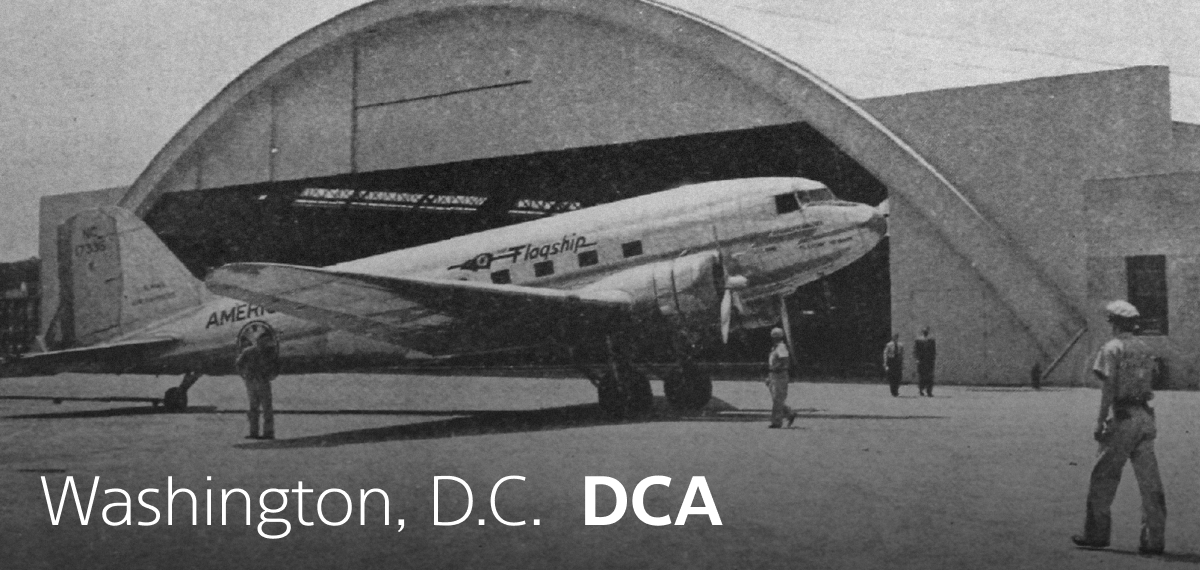
When DCA opened for operations in
1941, American was the first airline to operate at the airport. Owing to its
importance both in the airline’s route system and with the local community, the
airline opened its second Admirals Club® lounge at the airport. As
the airline industry evolved, so did DCA. The advent of larger jet aircraft
ultimately led to a ‘perimeter rule’ being imposed at DCA, limiting most flights
beyond 1,250 miles and ensuring high-quality air service to the nation’s
capital for communities of all sizes. In 1997, the modern DCA was transformed
by the opening of the new César Pelli-designed terminal facility that enhanced
the airport experience without sacrificing the convenience and efficiency
customers had come to appreciate. Throughout this continued evolution, first
for US Airways and then American, the DCA hub has played a critical role both
in serving local demand to and from the Washington, D.C., region as well as
facilitating fast, easy connections along the East Coast.